
The Japanese Beetle Campaign in Illinois
Silent SpringThis flow follows repeated chemical treatment in Illinois and the contrast with biological control already established in the East.
increasing Bearing strength in each event
 decreasing
Bearing strength in each eventdecreasingThe Beetle Moves West
An Introduced Insect
A New Arrival
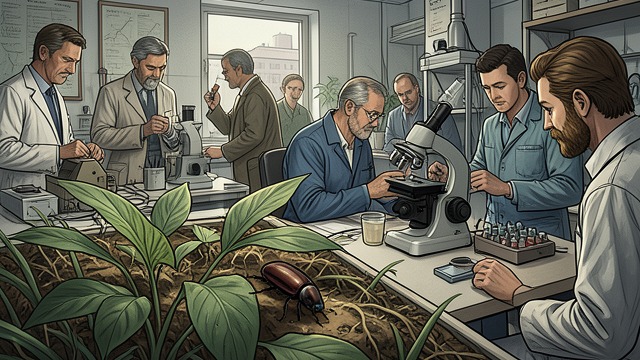
The Japanese beetle entered the United States on nursery stock and gradually spread into regions where climate suited it. Its movement prompted different responses as it reached new areas.
Established Controls
In eastern states, parasites and disease organisms helped keep populations comparatively low. The historical record offered an alternative to treating the beetle as an emergency requiring the most powerful chemicals.
Aerial Treatment in Sheldon

Chemical Eradication Begins
The First Application
Federal and Illinois agricultural agencies applied dieldrin to land near Sheldon in an effort to eradicate the advancing beetle. More acreage was treated in the following year.
An Escalating Commitment
The promised finality did not arrive. Additional treatments followed, turning a limited intervention into a persistent regional program with little evidence that the target had been eliminated.
Wildlife Loss Becomes Visible
The Treated Area Turns Lethal
Poisoned Food Sources
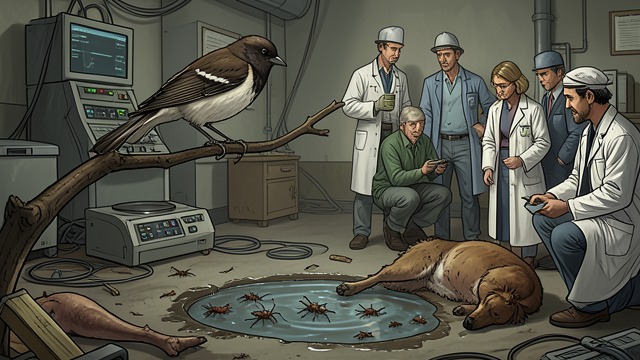
Beetle grubs and other insects emerged onto the soil after treatment, where they became prey for birds. Residues also reached earthworms, puddles, and the organisms on which local wildlife fed.
Broad Mortality
Biologists documented severe losses among birds, mammals, cats, and livestock. The campaign’s victims extended far beyond the beetle population it was designed to suppress.
The Damage Persists
A Changed Community
Continued Declines
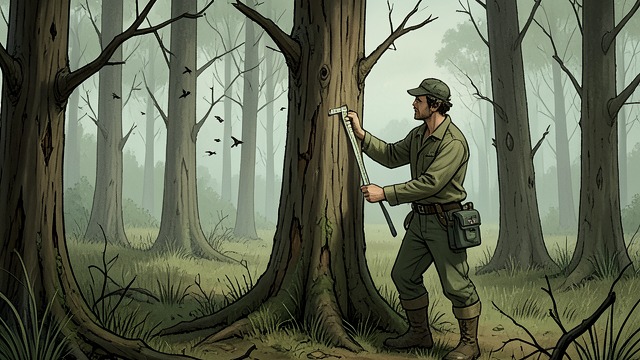
The program shifted to aldrin, and reported losses continued. In Donovan, several familiar bird populations had disappeared; pheasant broods and young also declined on treated land.
Unequal Investment
Chemical control received far more funding than wildlife research. Carson emphasizes that the measured damage was therefore a minimum, not a complete account of what had been lost.
The Eastern Alternative
Natural Control Reconsidered
A Disease in the Soil
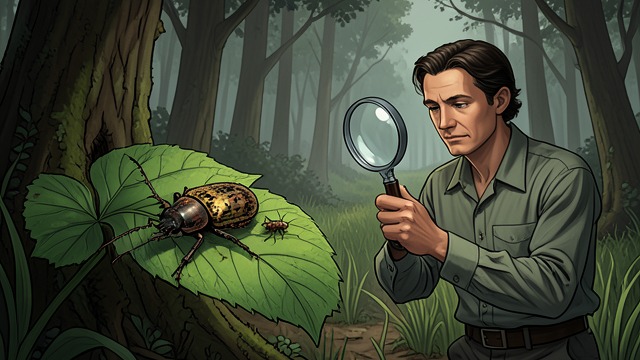
The Japanese beetle’s eastern decline owed much to a specific disease organism and imported natural enemies. Once established, the biological controls could persist and spread without repeated chemical applications.
A Different Calculation
Officials called biological treatment too expensive, but that comparison omitted the ecological destruction caused by spraying. The contrast challenged a policy that valued immediate suppression while discounting durable, selective control.
After its discovery in New Jersey in 1916
1954
After the first Sheldon treatments
By 1960
By the early 1960s
